


+662 118 9998

Bladder Cancer Diagnosis

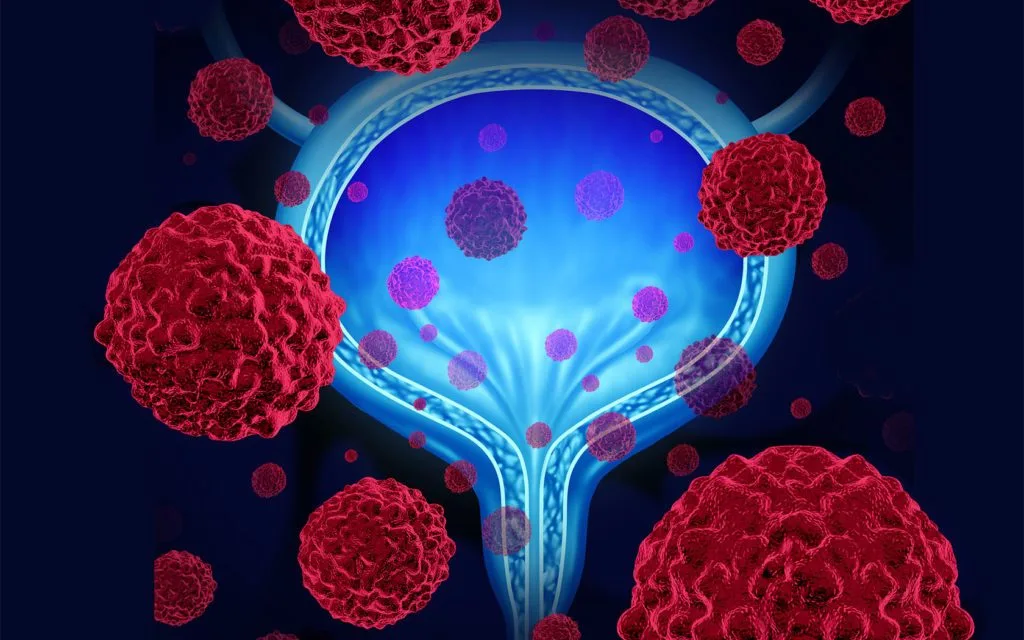
Bladder cancer, characterized by high recurrence rates and significant treatment costs, is a major health concern. This post aims to shed light on the diagnostic process for bladder cancer.

Delving Deeper: Understanding Bladder Cancer Diagnosis – A Patient’s Guide

Facing a potential bladder cancer diagnosis can be unsettling, but knowledge empowers you to navigate the diagnostic process effectively. This guide explores various aspects of bladder cancer diagnosis.

Initial Evaluation:

  • Symptoms and medical history: Your doctor will thoroughly discuss your symptoms, medical history, and any potential risk factors for bladder cancer.
  • Physical examination: This includes a physical exam of the abdomen and pelvis to check for abnormalities.

Diagnostic Tests:

  • Urinalysis: This basic test checks for blood, infection, and other abnormalities in the urine.
  • Urine cytology: Microscopic examination of urine cells to detect abnormal changes suggestive of cancer.
  • Cystoscopy: A thin, lighted tube is inserted through the urethra to directly visualize the bladder lining for abnormalities.
  • Biopsy: Tissue samples are collected during cystoscopy for further analysis under a microscope to confirm the presence and type of cancer cells.

Imaging Tests:

  • Ultrasound: This uses sound waves to create images of the bladder and surrounding structures.
  • CT scan: Provides detailed cross-sectional images of the bladder and surrounding organs.
  • MRI scan: Offers detailed images of the bladder and surrounding tissues, particularly helpful in assessing muscle involvement.

Grading and Staging:

  • Grading: Determines the aggressiveness of the cancer cells based on their appearance and behavior under a microscope.
  • Staging: Determines the extent of the cancer, whether it has spread to other tissues or lymph nodes. Both grading and staging are crucial for guiding treatment decisions.

Additional Tests:

  • Cystoscopy with fluorescence: Uses a special light to highlight suspicious areas during cystoscopy.
  • Biopsy of nearby lymph nodes: May be needed to assess lymph node involvement.

Remember:

  • The specific diagnostic tests used will depend on your individual situation and the suspected severity of your case.
  • Discussing the rationale behind each test and seeking clarification on any concerns is crucial.
  • Understanding the results of your tests, including grading and staging, empowers you to participate actively in treatment discussions with your doctor.

Seeking Expert Advice

If you’re experiencing symptoms that may indicate bladder cancer, or if you’re at a high risk of developing the disease, it’s crucial to seek medical evaluation. Early diagnosis can lead to more effective treatment and better outcomes. Contact Miskawaan Integrative Cancer Care for personalized advice and comprehensive care tailored to your needs.

Share the Post:

Related Posts

Bladder Cancer Symptoms

Bladder cancer, ranking among the most common cancers in the United States, is a critical health concern. This post aims to enhance awareness about the symptoms of bladder cancer, emphasizing the importance of early detection for effective management and treatment.


Read More »

Bladder Cancer Diagnosis

Bladder cancer, characterized by high recurrence rates and significant treatment costs, is a major health concern. This post aims to shed light on the diagnostic process for bladder cancer.

Read More »